
Why Fuel Depots Fail Compliance Audits
Compliance audits are a routine part of operating fuel depots and petroleum facilities. Yet many sites still fail inspections, often unexpectedly.
In practice, most audit failures are not caused by a single critical issue. They are the result of technical, civil, and operational gaps that develop gradually over time and remain unaddressed until an inspection takes place.
Understanding where audits typically fail allows operators to manage risk proactively rather than reactively.
Ageing Infrastructure and Legacy Installations
A large number of fuel depots across South Africa continue to operate on infrastructure installed many years ago. While these systems may still function, they often no longer meet current safety, environmental, or engineering requirements.
Common findings include:
- Corrosion in pipelines and storage tanks
- Structural movement or cracking in concrete bases and bund walls
- Legacy drainage systems that do not meet current containment standards
- Modifications completed without updated engineering drawings
Infrastructure that is operational is not necessarily compliant. Auditors assess systems against current regulations, not original installation dates.
→ Related service: Depot Upgrades & Fuel Infrastructure
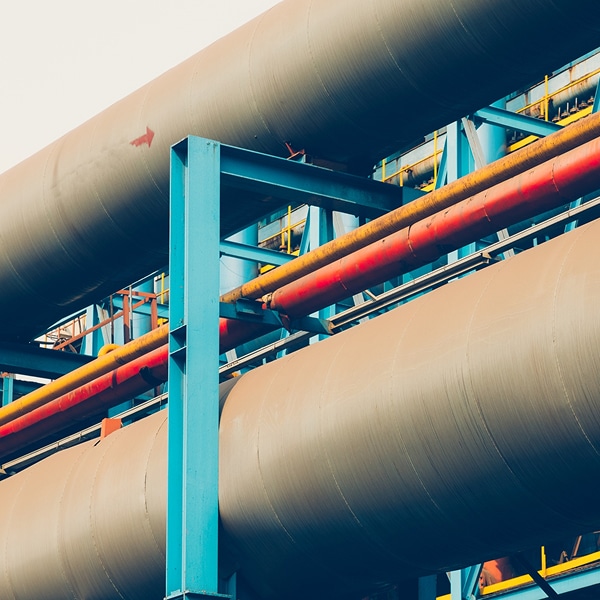
Spill Containment and Environmental Control Deficiencies
Spill containment remains one of the most closely scrutinised areas during compliance audits.
Failures often occur where:
- Bund wall volumes are insufficient
- Drainage systems allow uncontrolled discharge
- Oil–water separators are undersized, damaged, or poorly maintained
- Environmental protection systems have deteriorated over time
These issues significantly increase environmental exposure and typically result in audit findings requiring immediate corrective action.
→ Related service: Spill Response & Environmental Services
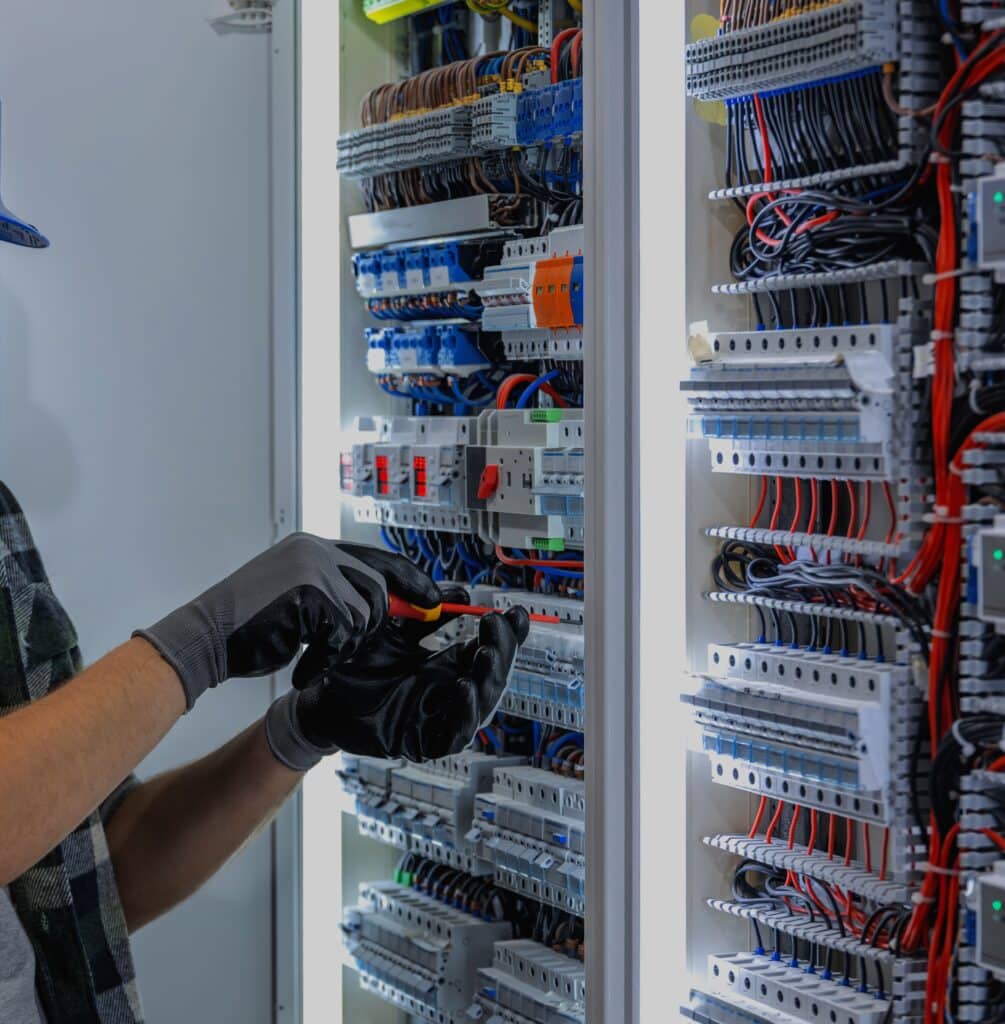
Electrical Non-Compliance in Hazardous Areas
Electrical installations in fuel-handling environments are required to meet strict hazardous-area standards. Audit failures frequently arise where electrical systems have been altered or extended without appropriate hazardous-zone design and certification.
Typical audit findings include:
- Non-rated equipment installed in hazardous zones
- Inadequate earthing and bonding
- Ageing panels, cabling, or control systems
- Missing inspection, testing, or certification records
Electrical non-compliance represents a serious safety risk and is treated accordingly by inspectors.
→ Related service: Electrical & Instrumentation for Fuel Systems
Documentation Gaps and Inconsistent Records
Even well-constructed facilities can fail audits when documentation does not accurately reflect site conditions.
Auditors routinely verify:
- As-built drawings
- Pressure test and inspection reports
- Electrical and hazardous-area certifications
- Maintenance and inspection records
Where documentation is incomplete, outdated, or inconsistent with the physical installation, audit findings are almost inevitable.
Reactive Maintenance Instead of Planned Assessment
Sites that fail audits often rely on reactive maintenance rather than structured engineering assessments.
Without regular technical reviews:
- Minor defects develop into compliance issues
- Infrastructure degradation goes unnoticed
- Safety and environmental risks accumulate
Facilities that perform consistently well in audits typically implement planned engineering assessments, addressing risks before inspections occur.
→ Related service: Mechanical & Pipeline Fabrication & Maintenance

Preventing Audit Failures
Preventing compliance failures requires an ongoing, engineering-led approach.
This includes:
- Regular site assessments
- Proactive infrastructure upgrades
- Integrated civil, mechanical, electrical, and environmental planning
- Accurate and up-to-date documentation
- Training aligned with real site conditions
At PetroEng, compliance is addressed through design, execution, and long-term asset management, not as a once-off inspection exercise.
